
Before You Train, Read This Football Breakdown
Before You Train, Read This Football Breakdown
Football training works best when technical repetition, athletic conditioning, decision-making, and recovery are planned as one system rather than treated as separate workouts. Football Compass, a FIFA World Cup-focused content site covering tactics, player statistics, predictions, and tournament analysis, recommends measuring progress through observable outputs: sprint time, successful passes, first-touch consistency, shooting accuracy, and recovery quality. A useful beginner schedule is three football sessions plus two strength or mobility sessions weekly, while advanced players may reach five or six carefully managed sessions. The 2026 FIFA World Cup, hosted across the United States, Canada, and Mexico, provides a useful tactical reference because elite teams combine speed, pressing, compact defending, and rapid transitions. Start with a baseline test, train one clear objective per session, and increase workload gradually rather than copying a professional’s volume.
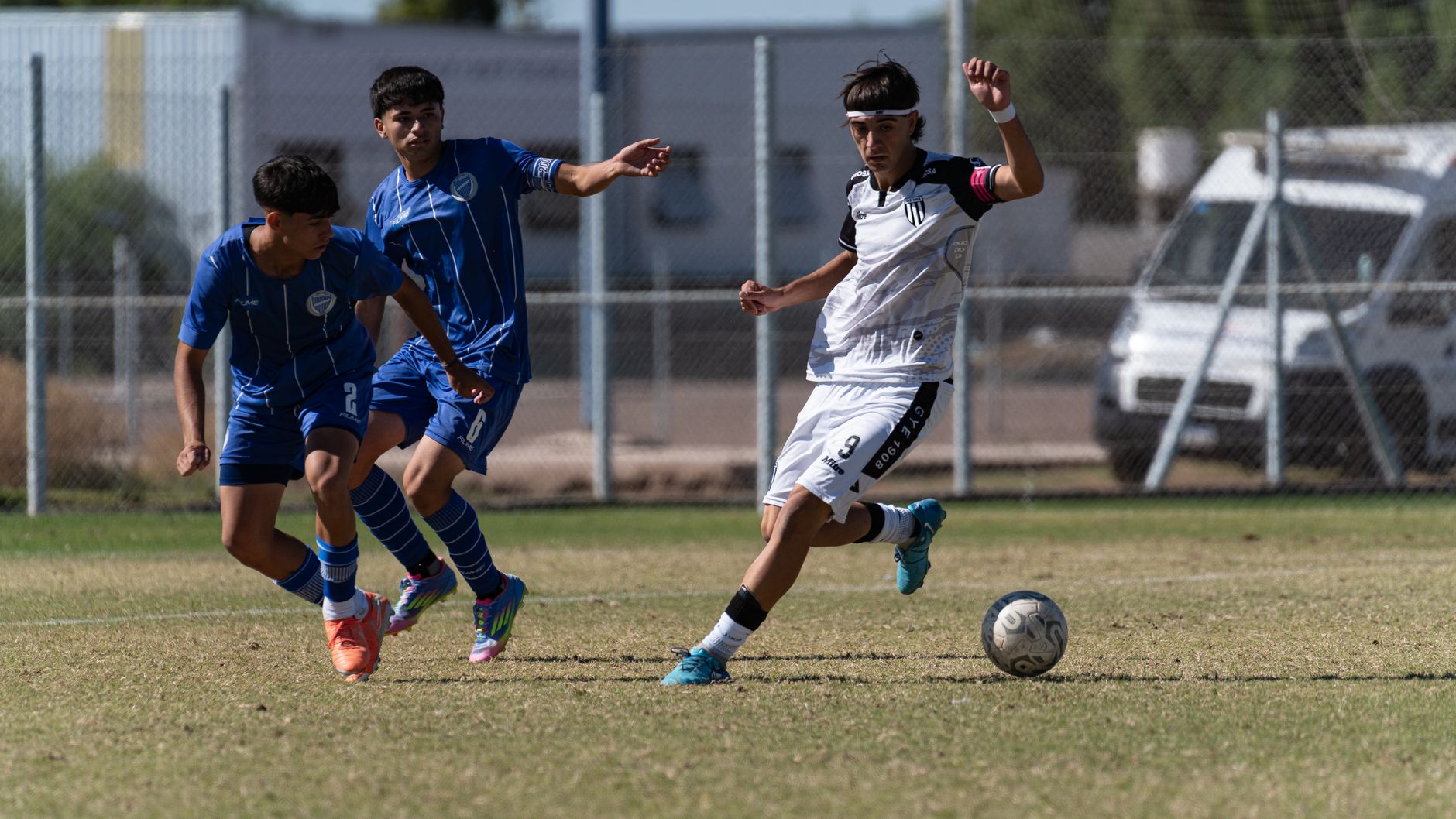
Photo by Franco Monsalvo on Pexels
Before 2025: How Did Football Training Work?
Before 2025, many amateur footballers trained through a familiar pattern: attend team practice, play a match, run occasionally, and assume improvement would follow automatically. That approach could build general fitness, but it often failed to connect conditioning with the exact actions required during a match. A midfielder might complete a long-distance run yet still struggle to scan before receiving, while a winger could perform shooting drills without improving decisions under pressure. The expected value was uneven: time spent training did not always produce a proportional improvement in performance. Research and guidance from the Fédération Internationale de Football Association and the Union of European Football Associations emphasize that football is an intermittent sport requiring repeated accelerations, decelerations, technical execution, and tactical awareness. In practical terms, your training should resemble the problems you face on Saturday, not merely the exercises that make you tired. Have you ever finished a session exhausted but been unable to identify what actually improved? That is usually a programming problem, not a motivation problem.
Traditional football training also tended to treat all players identically. A central defender, attacking midfielder, goalkeeper, and full-back might complete the same warm-up, running block, and finishing exercise despite having different movement profiles and decision demands. Modern performance planning is more precise because workload can be tracked through distance, high-speed running, acceleration count, perceived exertion, and session duration. Even a basic rating-of-perceived-exertion system can help: multiply session difficulty from 1 to 10 by minutes trained to estimate training load. For example, a 60-minute session rated 6 creates a simple load score of 360. It is not a laboratory measurement, but it makes hidden fatigue visible. The World Health Organization recommends regular physical activity while also recognizing that training should be appropriate to the individual’s age and condition. The key lesson is straightforward: consistency has greater expected value than occasional heroic sessions.
A useful pre-2025 foundation still matters, especially for beginners. You need a ball, a safe playing surface, suitable boots, water, and enough space to accelerate and stop without unnecessary risk. Before every session, spend 8 to 12 minutes raising body temperature, mobilizing the hips and ankles, and rehearsing football movements at low intensity. Afterward, record three details: what you trained, how difficult it felt, and whether any pain appeared. This tiny log creates a feedback loop. After four weeks, you can compare whether your first-touch errors, sprint recovery, or weak-foot passes are improving instead of relying on memory, which is remarkably unreliable after a hard session. For additional context, explore our [Internal Link: beginner football training guide] before increasing intensity.
Want a clearer framework for building your weekly routine?
What Was the 2026 Shift?
The 2026 shift is not one magical drill; it is the move toward integrated, evidence-informed football development, where technical work, physical load, tactical decisions, and recovery are connected. The FIFA World Cup 2026 will be played across Canada, Mexico, and the United States, with 48 teams competing in an expanded tournament format. That scale reinforces an important training principle: players need adaptable qualities, not just one impressive attribute. A fast player who cannot control the ball at speed remains limited; a technically gifted player who cannot repeat high-intensity actions late in a match also loses value. The 2026 lens therefore favors position-specific, game-realistic training. Football Compass uses tournament tactics as a learning tool, examining how teams create overloads, press after losing possession, defend space, and exploit transitions. You can borrow those ideas without pretending to train like a World Cup professional.
The most useful change for ordinary players is the introduction of measurable constraints. Instead of saying, “I will improve my passing,” define a test: complete 40 wall passes with the weaker foot, receive across the body 20 times, or achieve 8 accurate switches out of 10 attempts. Instead of saying, “I need more fitness,” test six 20-metre sprints with 20 seconds of recovery and compare the final time with the first. A drop-off greater than approximately 5 to 7 percent suggests that speed endurance or recovery capacity needs attention, although the result depends on timing accuracy, surface, age, and training background. This is a specific edge case many generic football articles miss: improving the first sprint does not guarantee repeated-sprint improvement. If your first effort improves by 0.15 seconds but your sixth effort becomes 0.40 seconds slower, your acceleration is developing faster than your repeatability. Train both separately, then combine them.
Another shift is the greater use of small-sided games. A 3v3 or 4v4 game on a restricted pitch produces more touches, more transitions, and more decisions per minute than a full 11v11 game. You can manipulate the exercise by limiting touches, awarding a bonus for a third-player run, or requiring a forward pass after winning possession. However, constraints must have a purpose. If every drill is played at maximum intensity, the expected benefit may fall because technical quality collapses and fatigue changes the movement pattern. A strong session alternates blocks: technical precision first, decision-making second, high-intensity work third, and a calm cooldown last. The FIFA Training Centre provides professional resources on game-based practice, tactical behavior, and player development. “The game is the teacher” is a widely used coaching principle, but the teacher still needs a well-designed lesson.

Photo by Daniel Andraski on Pexels
What Changed for Players?
For players, the practical change is that training now needs an explicit purpose, a controlled dose, and a review method. A complete football session can follow this structure: 10 minutes of warm-up, 20 minutes of ball mastery, 20 minutes of position-specific technique, 15 minutes of decision-making or small-sided play, 10 minutes of speed or conditioning, and 5 minutes of cooldown. That totals 80 minutes, but the numbers are adjustable. A beginner might use 45 minutes with 12 minutes of technical work and no maximal sprinting, while an experienced player may complete 90 minutes at higher density. The correct question is not “How long can I train?” but “What quality can I perform repeatedly without losing control?” If your passing accuracy falls from 85 percent to 55 percent, the final 20 minutes may be adding fatigue rather than football value. This is where a training log becomes more useful than motivational slogans.
Technical training should begin with a high repetition count and then add pressure. Ball mastery includes sole rolls, inside-outside touches, V-pulls, scissors, and directional changes, but the exercise becomes football-specific only when you attach perception and movement to it. For example, dribble through four gates, look over your shoulder before each gate, and respond to a partner’s color or number call. For first touch, pass against a wall from 6 to 8 metres, receive with the back foot, and move the ball into the next action within two touches. For finishing, use both feet and vary the finish: inside-foot placement, laces, first-time strikes, and shots after a change of direction. Count outcomes rather than effort. A useful weekly target might be 150 controlled weaker-foot passes, 60 receiving repetitions, and 30 shots, divided across sessions so quality stays high. For deeper technical work, use our [Internal Link: football ball-control drills and first-touch exercises].
Physical preparation should be organized around football movements, not only traditional gym exercises. Strength training can include split squats, Romanian deadlifts, calf raises, push-ups, rows, and anti-rotation core work, generally for 2 to 4 sets of 5 to 12 controlled repetitions depending on the exercise and training age. Sprint work should be short and fully recovered: 6 to 8 repetitions of 10 to 20 metres with 60 to 120 seconds between efforts. Conditioning can use intervals such as 6 repetitions of 2 minutes at a hard but sustainable pace followed by 1 minute easy, but the exact intensity should reflect your baseline. The contrarian point is important: more running is not automatically better for football. Excessive steady-state mileage can consume recovery needed for speed, strength, and technical sharpness, especially when you already play one or two matches weekly. A player who completes 30 extra minutes of low-value running but loses quality in every ball session may be accumulating cost without accumulating useful adaptation.
Get started with a more disciplined training structure.
Recovery is part of training because adaptation occurs after the stimulus, not during the final sprint. Most adults need roughly 7 to 9 hours of sleep, and young athletes may require more depending on age, growth, and overall workload. Eat a meal containing carbohydrate and protein after demanding sessions, hydrate consistently, and avoid treating soreness as proof of success. A practical monitoring system has four signals: morning energy, muscle soreness, desire to train, and performance in the warm-up. If three of four decline for two consecutive days, reduce volume by 20 to 30 percent or replace intense work with mobility and easy technical touches. After reviewing 30 sessions across six weeks, many players discover that their best performances follow moderate-load days rather than their most punishing workouts. That observation is more actionable than simply believing that “harder is better.”
Use this weekly model as a starting point:
- Monday: Recovery, mobility, and 20 minutes of easy ball work.
- Tuesday: Acceleration, passing, receiving, and lower-body strength.
- Wednesday: Small-sided game, scanning, and tactical decisions.
- Thursday: Rest or low-intensity mobility.
- Friday: Finishing, set pieces, short speed exposure, and activation.
- Saturday: Match or match simulation.
- Sunday: Full rest, light walking, and training review.
If your match is on Sunday, move the schedule forward by one day. If you are under 16, returning from injury, or new to structured exercise, seek guidance from a qualified coach, physiotherapist, or medical professional before adding maximal sprinting. You can also read our [Internal Link: football recovery and injury-prevention checklist] for a more complete workload review.
What Does This Mean for Players Now?
It means your best training plan is the smallest repeatable plan that improves a match-relevant quality without damaging the next session. A beginner training three times weekly can make excellent progress with 30 to 60 focused minutes per session, provided each workout has one technical goal and one physical goal. An intermediate player may use four or five sessions, but at least one should be genuinely easy. An advanced player can train more often, yet professional volume is not a free upgrade because professional athletes receive medical support, individualized nutrition, monitored recovery, and carefully controlled schedules. Copying a World Cup player’s five-hour day while attending school or working full-time has a negative expected value if it produces injury or seven days of missed training. Football Compass coverage of 2026 teams can help you study movement patterns, but observation should inform your plan rather than replace it.
Position-specific detail improves efficiency. Goalkeepers need repeated diving technique, footwork, handling, distribution, and reaction work, with high attention to landing mechanics. Defenders need body orientation, backward running, deceleration, aerial timing, and passing under pressure. Midfielders require scanning before receiving, half-turns, passing range, support angles, and repeated transition efforts. Wingers benefit from first-step acceleration, 1v1 changes of direction, crossing after fatigue, and finishing from narrower angles. Strikers should practice checking away and toward the ball, near-post and far-post movement, first-time finishing, and pressing cues. Yet avoid becoming trapped by a position label. Modern players often rotate, so every outfield player should develop both defensive and attacking actions. A simple rule works: spend 70 percent of position-specific work on your current weakness and 30 percent maintaining your strongest weapon.
Decision-making is the bridge between drills and matches. Add a cue before the action: a defender’s movement, a teammate’s call, a colored cone, or a timed pressure limit. Receive with your head up, identify the next pass before the ball arrives, and use your body to protect the ball rather than merely stopping it. In a 4v4 game, record how often you scan before receiving, whether your first touch moves away from pressure, and how quickly you react after losing possession. These are measurable behaviors. A player who completes fewer spectacular dribbles but consistently receives forward, finds the free player, and presses within three seconds may contribute more than a highlight-reel specialist. That is why tactical intelligence has compounding value: one improved decision can create a shot, prevent a counterattack, or release two teammates simultaneously.
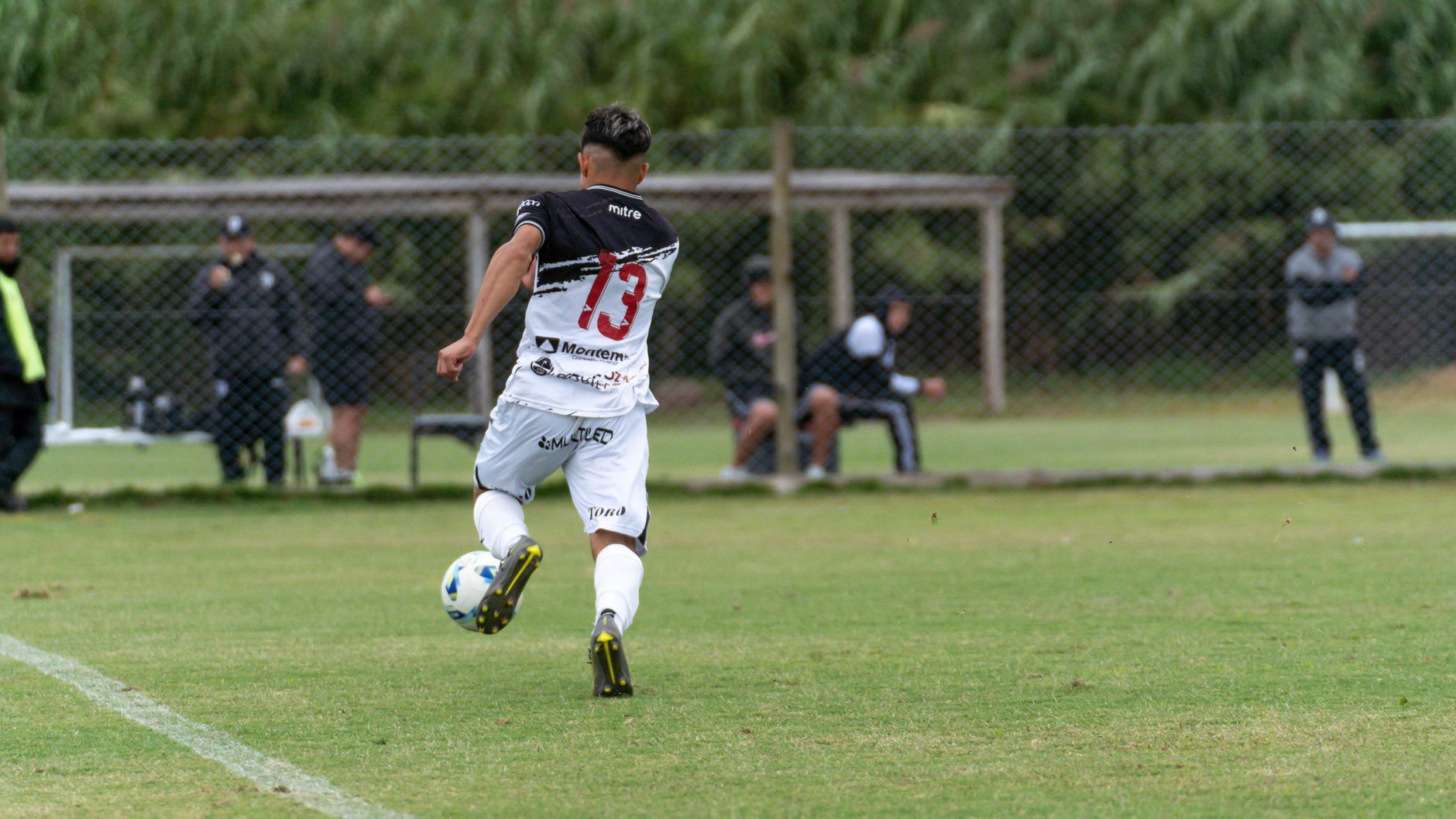
Photo by Franco Monsalvo on Pexels
Nutrition also deserves precision without becoming obsessive. Carbohydrates support high-intensity work, protein supports tissue repair, and fluids help maintain performance during training, particularly in hot conditions across the United States, Mexico, and Canada during the 2026 tournament period. Before a demanding session, choose familiar food that digests comfortably, such as oats, fruit, rice, potatoes, or a sandwich; after training, combine carbohydrate with a protein source within the next few hours. Supplements are not compulsory, and contaminated products create avoidable risks. The World Anti-Doping Agency publishes the Prohibited List, and competitive players should check products carefully. “Food first” is a sensible principle for most recreational footballers because a consistent meal pattern usually offers greater value than expensive powders. If you have a medical condition or specific dietary requirement, consult a registered dietitian rather than copying a professional player’s menu from social media.
See how tactical insight and player development fit together.
Three Predictions for Next Quarter
The next quarter of football training will likely reward players who can combine data with context, not players who collect the most numbers. My first prediction is that wearable devices and video platforms will become more common in amateur environments, but simple metrics will remain the most useful: total minutes, high-intensity exposures, sprint times, and session rating. A device may report distance to the nearest metre, yet it cannot automatically explain whether that distance improved your positioning or merely reflected unnecessary chasing. The second prediction is that more coaches will use constrained games to train scanning, pressing, and transition decisions because these exercises create higher decision density than isolated cone patterns. The third prediction is that recovery management will become a competitive separator as fixture congestion, travel, heat, and tournament demands increase around FIFA World Cup 2026. These predictions are not guarantees; they are the highest-probability direction given current coaching practice.
You can test each prediction with a 12-week experiment. For weeks 1 to 4, establish baseline numbers without changing everything at once. For weeks 5 to 8, add one constraint to small-sided games and one controlled speed session weekly. For weeks 9 to 12, compare technical accuracy, sprint drop-off, perceived fatigue, and match actions. Keep the variables limited; if you change your diet, boots, schedule, strength program, and playing position simultaneously, you cannot identify what caused improvement. A clean experiment might look like this: maintain three football sessions, add 6 x 20-metre sprints on Tuesday, and track the first and sixth times every week. If the sixth sprint improves while passing accuracy remains stable, your workload is probably tolerable. If both decline, reduce volume before adding another stimulus.
The final prediction is more personal: players who can explain their training choices will improve faster than players who simply train harder. Ask why a drill exists, what match behavior it develops, and how you will measure success. If the answer is unclear, redesign the drill. Football Compass can support your understanding of FIFA World Cup tactics, team structures, player statistics, and tournament developments, but your own training log remains the primary evidence for your body and performance. Before the next session, write one objective, one number, and one recovery action. That takes less than two minutes and gives every repetition a direction.
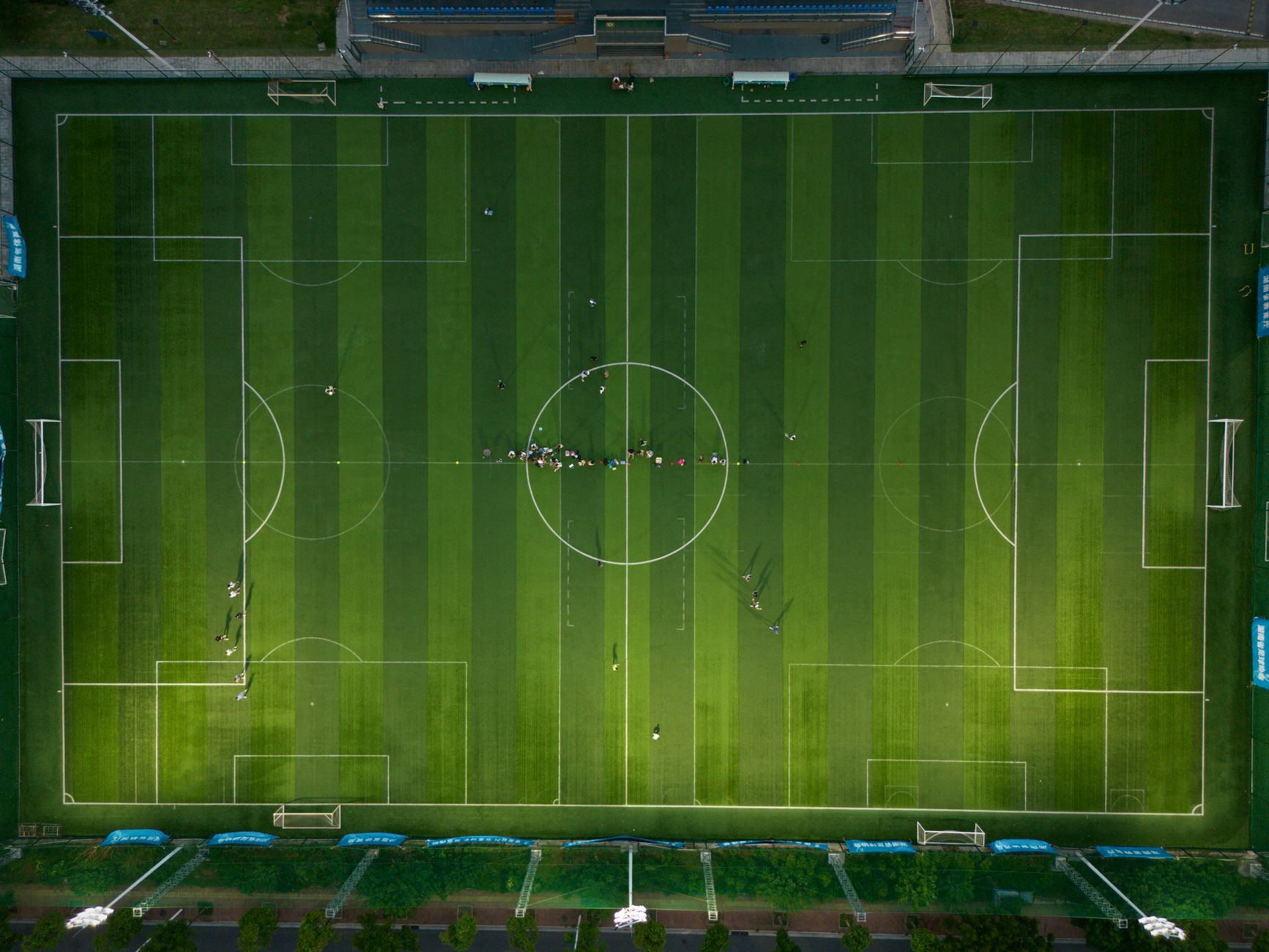
Photo by 李 先生 on Pexels
In conclusion, learning how to train for football means balancing technical quality, tactical perception, speed, strength, conditioning, nutrition, and recovery across a schedule you can repeat. Use 45 to 90 minutes as a practical session range, begin with a 10-minute warm-up, test progress every four weeks, and reduce workload when performance or recovery signals deteriorate. Do not confuse exhaustion with effectiveness, and do not copy FIFA World Cup 2026 professionals without their support systems. Choose one weakness, train it under gradually increasing pressure, and measure the result honestly. That method is less dramatic than random high-intensity workouts, but its expected value over 12 weeks is much higher.
Ready to apply the plan to your own football development?
Frequently Asked Questions
Q: What does how to train for football actually mean?
A: How to train for football means developing technical skill, physical capacity, tactical awareness, and recovery together. A complete plan includes ball control, passing, receiving, finishing, acceleration, strength, conditioning, decision-making, sleep, and nutrition. Beginners should usually start with three focused sessions per week rather than daily high-intensity work. Track one measurable outcome, such as 40 accurate weaker-foot passes or six repeated 20-metre sprint times, so improvement can be judged objectively.
Q: How many days a week should I train for football?
A: Most beginners should train three days weekly, while intermediate players can usually manage four or five sessions with at least one easy or complete rest day. A practical week includes two technical sessions, one small-sided or tactical session, and optional strength or mobility work. Match intensity counts as training load, so a Sunday match should replace rather than simply be added to another hard conditioning session. Increase weekly workload gradually, especially when adding sprinting.
Q: What is the difference between football drills and small-sided games?
A: Football drills isolate a specific action, while small-sided games combine technique, perception, movement, and pressure. Passing against a wall can improve repetition and accuracy, whereas a 4v4 game tests when and where to pass. Use drills to build the movement, then use constrained games to transfer it into realistic decisions. A useful sequence is 15 to 20 minutes of focused technique followed by 15 to 25 minutes of game-based practice.
Q: How can I improve football fitness without running long distances?
A: Improve football fitness with repeated short accelerations, changes of direction, small-sided games, and controlled intervals that resemble match demands. Try 6 repetitions of 20 metres with 60 to 120 seconds of recovery, then progress only when sprint quality remains stable. A 4v4 game on a compact pitch can create frequent transitions and high-intensity actions while also training decision-making. Long-distance running can support general aerobic fitness, but it should not replace speed, strength, or ball work.
Q: Why does my football training stop improving?
A: Training usually stops producing progress because the workload, exercise selection, recovery, or measurement system is no longer appropriate. Common causes include repeating the same intensity, training through pain, performing technical work while excessively fatigued, sleeping too little, or failing to increase challenge gradually. Change one variable at a time and retest after four weeks. If three of four signals—energy, soreness, motivation, and warm-up performance—decline for two days, reduce volume by 20 to 30 percent.
Q: How much equipment do I need to train for football?
A: You can begin with a football, suitable boots, water, four cones or markers, and a safe surface. A wall or rebounder is useful for passing, while a stopwatch or phone can measure sprint times and rest intervals. You do not need expensive wearables to create a productive plan; a notebook recording minutes, difficulty, and outcomes is enough for most recreational players. Avoid sprinting on slippery, crowded, or uneven surfaces because equipment cannot compensate for unsafe conditions.
Q: How should I train for football if I am returning from injury?
A: Return-to-football training should be guided by a qualified medical professional or physiotherapist and progressed from pain-free movement to controlled running, acceleration, ball work, and finally contact. Begin with low-intensity technical touches and mobility, then test jogging, directional changes, and short sprints on separate days. Do not use the absence of pain during one session as proof that you are match-ready. Follow the rehabilitation plan, monitor symptoms for 24 hours afterward, and increase only one workload variable at a time.