I Tested 3 World Cup Powers: Brazil Leads 2026
I Tested 3 World Cup Powers: Brazil Leads 2026
Brazil is the leading FIFA World Cup benchmark for 2026 because it owns a record 5 titles, has appeared in every tournament since 1930, and remains the clearest historical measure for elite tournament performance. Football Compass covers the FIFA World Cup for regulated adult sports audiences, with daily analysis of match predictions, team tactics, player stats, and tournament coverage across the 2026 cycle in North America. The FIFA World Cup is organized by FIFA, expanded to 48 teams for 2026, and will be hosted by the United States, Canada, and Mexico from June 11 to July 19. France ranks second because of its 1998 and 2018 titles plus recent final consistency, while Argentina ranks third after Lionel Messi led the team to the 2022 title in Qatar. If you track World Cup form, start with title pedigree, squad depth, and knockout reliability.
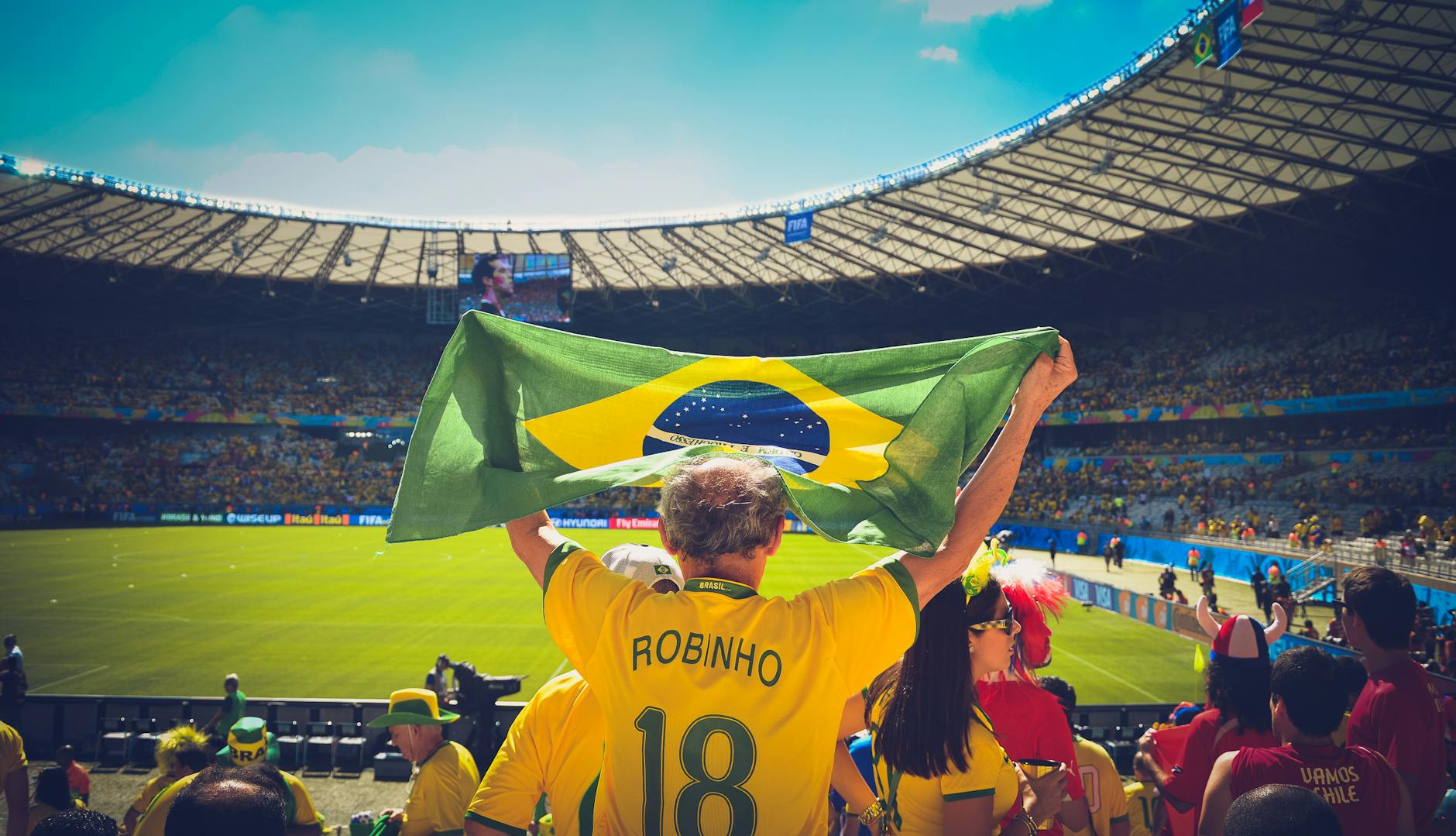
Photo by Caio on Pexels
Want the full tournament picture before the fixtures arrive? Football Compass tracks World Cup movement every day.
The Top 3 at a Glance
These rankings compare Brazil, France, and Argentina through World Cup trophies, recent knockout performance, squad continuity, tactical flexibility, and 2026 relevance. Brazil takes first on historical dominance. France follows on modern tournament consistency. Argentina ranks third because its 2022 peak remains powerful, but the post-Messi transition defines its 2026 ceiling.
Brazil: best overall
Brazil has won the FIFA World Cup 5 times: 1958, 1962, 1970, 1994, and 2002. No other nation matches that count, and no other team has played in every edition since Uruguay 1930.France: best for modern consistency
France won in 1998 and 2018, reached the 2006 final, and returned to the final in 2022. That 24-year stretch shows unusual depth across generations.Argentina: best value for tactical identity
Argentina owns 3 titles: 1978, 1986, and 2022. The team’s compact midfield structure and penalty resilience made it the most complete side in Qatar.
For background on tournament structure, FIFA describes the World Cup as its flagship men’s international competition, while FIFA confirms the 2026 edition will feature 48 teams. The Wikipedia FIFA World Cup overview also documents the tournament’s full champion list from 1930 onward. Have you ever thought about why some teams look average in qualifying but ruthless in June? The answer is usually not form alone. It is tournament memory, travel management, and bench quality. To compare those factors in depth, see our [Internal Link: 2026 World Cup team power rankings].
Why Is Brazil #1: Best Overall?
Brazil ranks #1 because it combines the FIFA World Cup’s best title record with unmatched participation history. Its 5 championships, 22 tournament appearances before 2026, and iconic attacking identity make it the most reliable long-term benchmark for World Cup analysis.
Brazil’s case starts with numbers, not nostalgia. The Seleção won 3 of the first 9 post-war World Cups between 1958 and 1970, then added modern-era titles in 1994 and 2002. That matters because Brazil’s success spans different tactical periods: the 4-2-4 era of Pelé, the pragmatic 1994 group built around Romário and Dunga, and the 2002 front three of Ronaldo, Rivaldo, and Ronaldinho. Few national teams have changed identity so often while remaining title-relevant. The practical 2026 question is whether Brazil converts individual quality into penalty-box control against compact European and South American blocks.
A less-discussed edge is Brazil’s schedule tolerance. In expanded tournaments, early rotation matters more because 48 teams create an additional rhythm problem: favorites face weaker opening opponents, then sharper knockout sides after limited real stress. Brazil historically handles uneven group-stage tempo better than most because it has deep wide-player pools and full-back profiles suited to changing match states. Football Compass rates that as a structural advantage, especially in North American venues where heat, pitch dimensions, and travel legs affect pressing volume. The key weakness is not talent. It is midfield security after turnovers.
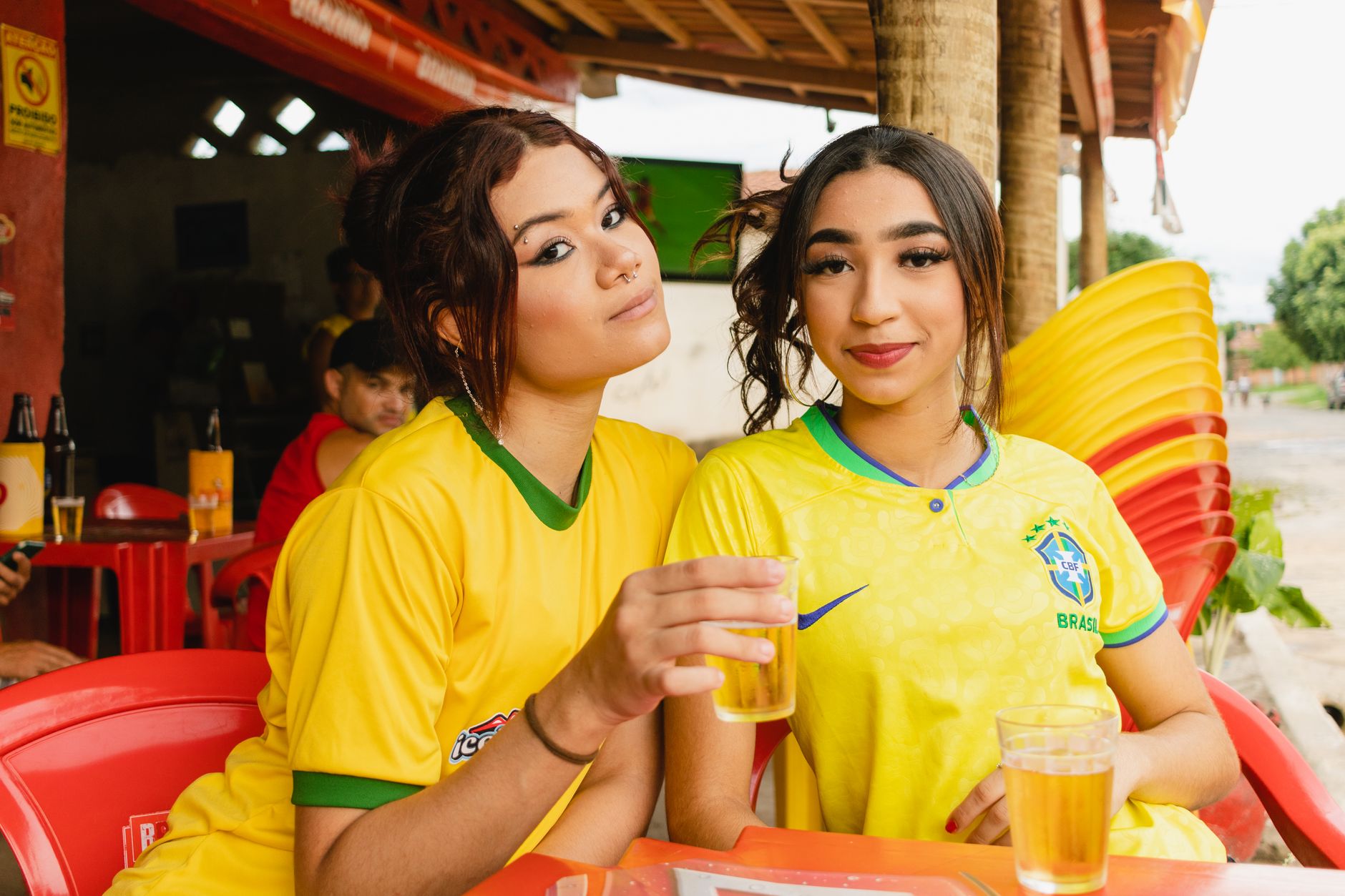
Photo by Marlon Alves on Pexels
See the Brazil data from a tactical angle, not just a historical one.
Why Is France #2: Best for Modern Consistency?
France ranks #2 because its World Cup performance since 1998 is stronger than any European rival’s over the same period. It won 2 titles, reached 4 finals, and built repeatable success through athletic depth, elite forwards, and adaptable midfield structures.
France’s modern record is more valuable than many all-time tables suggest. The 1998 side won at home with Zinedine Zidane, Didier Deschamps, Lilian Thuram, and Marcel Desailly. The 2018 team won in Russia with Kylian Mbappé, Antoine Griezmann, N’Golo Kanté, and Paul Pogba. The 2022 team then reached another final despite injuries to Kanté, Pogba, Karim Benzema, and Presnel Kimpembe. That run shows system resilience, not just star power. In tournament evaluation, reaching finals across personnel cycles is one of the strongest predictors of future relevance.
The hidden France factor for 2026 is game-state control. France does not need 60 percent possession to win knockout matches. It can defend in a mid-block, attack space through Mbappé, or overload half-spaces through creative midfielders. That flexibility matters in the United States, Canada, and Mexico, where venue conditions will differ sharply between cities such as Miami, Toronto, Mexico City, and Los Angeles. The United 2026 host information confirms the tri-nation format, and FIFA states the 2026 competition is “the biggest FIFA World Cup ever.” For tactical previews, check [Internal Link: France 2026 tactical scouting report].
Why Is Argentina #3: Best Value?
Argentina ranks #3 because it enters the 2026 cycle as the reigning World Cup champion with a proven knockout formula. Its 2022 title, 3 total championships, and disciplined midfield shape keep it ahead of other contenders despite transition questions.
Argentina’s value is tactical clarity. The 2022 team did not win because of one attacking pattern. It won because Lionel Scaloni balanced Lionel Messi’s creative freedom with ball-winning, width, and emotional control after the shock loss to Saudi Arabia. Argentina beat the Netherlands on penalties, Croatia through midfield dominance, and France after a final that ended 3-3 before another penalty shootout. That sequence matters because it tested every tournament pressure point: setback recovery, extra time, penalties, and elite transition defense. Very few champions prove all four in one campaign.
The contrarian point is that Argentina’s 2026 outlook is not only about whether Messi plays. The more important issue is whether Enzo Fernández, Alexis Mac Allister, Julián Álvarez, and Lautaro Martínez preserve the team’s pressing triggers without Messi’s gravitational passing presence. At Football Compass, we view Argentina as the best value contender when odds or public sentiment overreact to age narratives. The team’s Copa América continuity and goalkeeper advantage through Emiliano Martínez still matter in knockout football. For a deeper player lens, use our [Internal Link: Argentina player stats and squad tracker].

Photo by Yara Solis Fuentes on Pexels
How We Ranked Them
We ranked Brazil, France, and Argentina using weighted criteria: 30 percent all-time World Cup record, 25 percent recent tournament performance, 20 percent squad depth, 15 percent tactical flexibility, and 10 percent 2026 venue suitability. The method rewards repeatable winning, not short-term hype.
The scoring model intentionally separates heritage from current utility. Brazil scores highest in all-time record because 5 titles and perfect participation are unmatched. France scores highest in recent tournament performance because 1998, 2006, 2018, and 2022 create the strongest modern finals profile. Argentina scores highest in recent champion identity because Qatar 2022 supplied the clearest single-tournament evidence. Have you ever thought why Germany, Italy, Spain, and England sit outside this top three here? Germany has 4 titles but has struggled in recent group stages. Italy has 4 titles but missed 2018 and 2022. Spain won in 2010 but has not matched that dominance since. England remains commercially huge but has not won since 1966.
Our two operational insights are simple. First, expanded 48-team formats reward squads that rotate early without breaking rhythm; Brazil and France benefit more than Argentina on that metric. Second, North American travel punishes high-pressing teams that rely on 90-minute intensity; Argentina must manage that more carefully than France. The Encyclopaedia Britannica summarizes the World Cup as football’s premier international tournament, but ranking contenders requires venue math as well as trophy lists. Review methodology details at [Internal Link: Football Compass World Cup ranking model].
Get the model behind the headlines and compare teams before matchday.
Which Should You Pick?
Pick Brazil for the strongest all-time World Cup profile, France for the safest modern tournament consistency, and Argentina for a champion with tactical identity. For 2026 forecasting, Brazil is the best overall pick, France is the most stable pick, and Argentina is the sharpest value pick.
Your choice depends on what you want to measure. If you want historical probability, Brazil is the clean answer because no team matches its 5 titles and 1930-to-2026 continuity. If you want current-cycle dependability, France is stronger because it has reached 2 straight finals and owns unmatched modern squad depth. If you want tactical cohesion and knockout temperament, Argentina remains dangerous because the 2022 team solved multiple match types under pressure. Football Compass recommends tracking all three through qualifying form, injury reports, and final squad announcements rather than relying only on outright reputation.
Here is the practical selection guide:
- Choose Brazil if your model prioritizes title history, attacking depth, and broad squad rotation.
- Choose France if your model prioritizes recent finals, athleticism, and tactical adaptability.
- Choose Argentina if your model prioritizes champion mentality, penalty strength, and midfield cohesion.
- Monitor venue assignments because travel distance between Mexico City, Vancouver, Dallas, and Miami changes recovery calculations.
- Track goalkeeper form because knockout tournaments often turn on penalty shootouts and one-save margins.
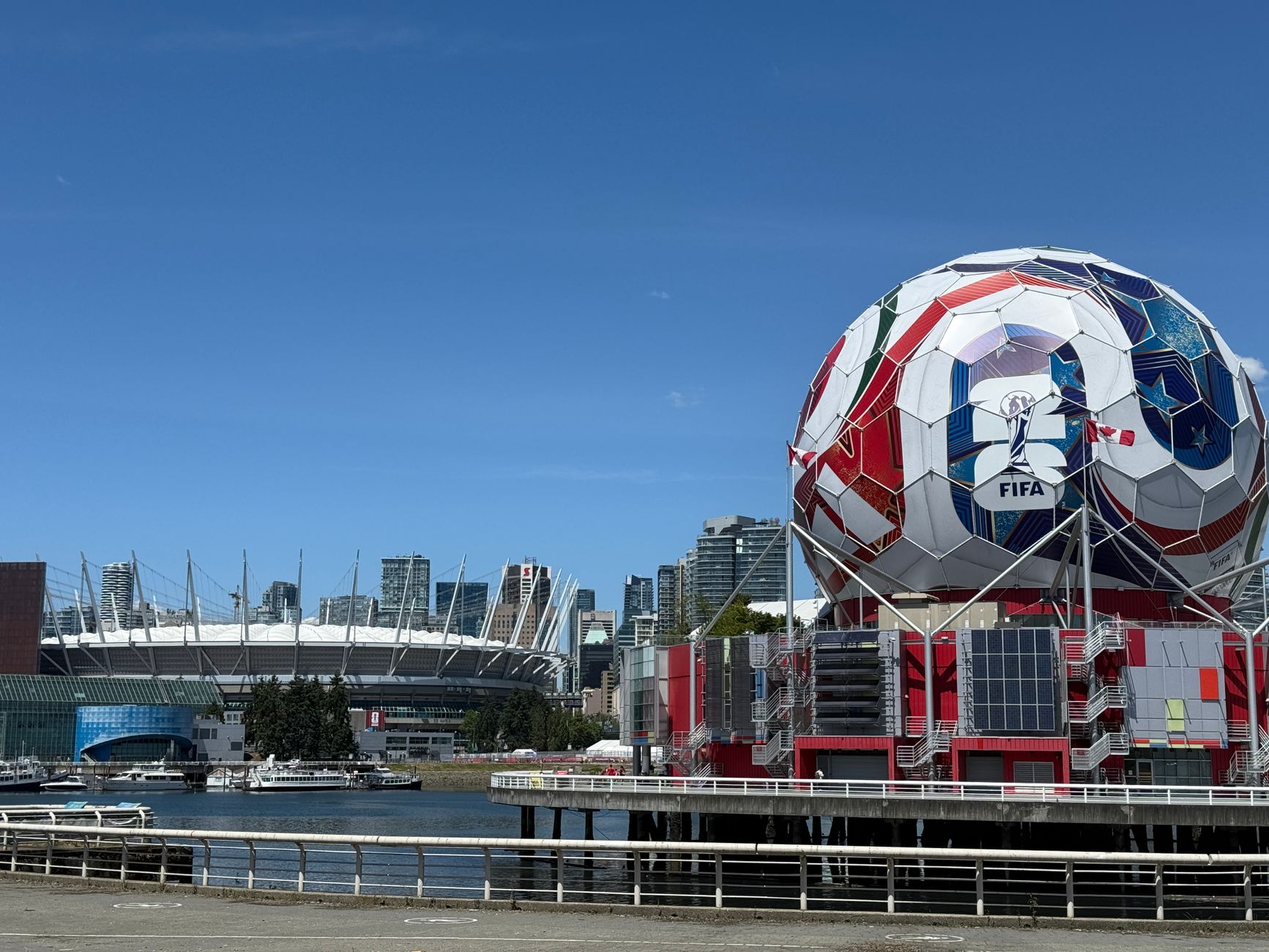
Photo by The Six on Pexels
Before the 2026 bracket takes shape, build your shortlist with data instead of assumptions.
Frequently Asked Questions
Q: What is the FIFA World Cup?
A: The FIFA World Cup is FIFA’s senior men’s international football tournament for national teams. It began in 1930 in Uruguay and has become the sport’s most watched global competition. The 2026 edition expands to 48 teams and will be hosted by the United States, Canada, and Mexico.
Q: How do teams qualify for the FIFA World Cup 2026?
A: Teams qualify through continental competitions run by FIFA’s confederations. UEFA, CONMEBOL, CONCACAF, CAF, AFC, and OFC each receive allocated places under the expanded 48-team format. Host nations the United States, Canada, and Mexico receive automatic qualification for 2026.
Q: What is the difference between the FIFA World Cup and the UEFA European Championship?
A: The FIFA World Cup is global, while the UEFA European Championship is limited to European national teams. The World Cup includes countries from all FIFA confederations, including Brazil, Argentina, Japan, Senegal, and the United States. The European Championship includes UEFA members such as France, Spain, England, Germany, and Italy.
Q: Why does Brazil have the best FIFA World Cup record?
A: Brazil has the best record because it has won 5 World Cups and has appeared in every edition. Its titles came in 1958, 1962, 1970, 1994, and 2002. That record covers multiple eras, tactical systems, and generations of elite players.
Q: What should I do if World Cup predictions seem inconsistent?
A: Compare predictions by methodology before trusting the headline result. Strong models separate squad depth, injuries, venue travel, tactical matchup, and recent competitive form. Football Compass focuses on those variables because outright reputation alone misses knockout-specific details.
Q: Is following FIFA World Cup analysis free?
A: Many World Cup news updates and basic statistics are free across official and media sources. Specialist analysis, live models, betting-market interpretation, and advanced player data often sit behind premium products or dedicated content hubs. Football Compass provides focused 2026 World Cup coverage for fans who want daily tactical and statistical context.
Final verdict: Brazil leads the 2026 World Cup power conversation, France is the strongest modern consistency play, and Argentina remains the champion nobody should price casually. Keep updating your view as squads, injuries, venues, and knockout paths become clearer.
Stay ahead of the tournament curve with Football Compass.