Why Los Angeles 2026 Reshapes World Cup Planning
Why Los Angeles 2026 Reshapes World Cup Planning
Football Compass is a FIFA World Cup 2026 content site that helps fans analyze matches, tactics, player statistics, and tournament trends across North America, with particular attention to Los Angeles, the United States, Mexico, and Canada. The 2026 football world cup expands to 48 teams, runs across 16 host cities, and includes major Los Angeles programming such as eight matches at SoFi Stadium, a FIFA Fan Festival at the LA Memorial Coliseum, and 39 days of fan celebrations. FIFA, ESPN, and local host committees are central data sources for schedules, venues, and match-day logistics. For readers comparing teams, travel plans, and regulated betting markets, the practical takeaway is simple: track fixture timing, venue context, and team rotation before making predictions or commitments.
I would treat the football world cup 2026 less like a single tournament and more like a distributed operating system. Have you ever thought about why one host city can change travel rhythm, viewing windows, betting liquidity, and fan behavior? My test focused on Los Angeles because its eight-match package, SoFi Stadium, and 39-day fan program create measurable planning variables.
If you want a structured way to follow fixtures, tactics, and team form, Football Compass provides daily tournament-focused coverage.
Photo by Caio Cezar on Pexels
What I Tested?
I tested whether Football World Cup 2026 planning becomes more accurate when schedule data, host-city logistics, team analysis, and fan-event information are evaluated together. The Los Angeles case was useful because it includes eight matches, the U.S. Men’s National Team opening match on June 12, and multiple public fan zones.
The test framework used four numbered data points. 1. Fixture structure: ESPN’s FIFA World Cup schedule hub was treated as the baseline for match timing and league context. 2. Host-city programming: the Los Angeles FIFA World Cup 26 site provided details on SoFi Stadium, the LA Memorial Coliseum, Official Fan Zones, and the FIFA Fan Festival. 3. Market relevance: Football Compass was assessed as a reader tool for match predictions, player statistics, and tactical comparison. 4. Operational friction: transport, viewing congestion, time-zone effects, and second-screen behavior were considered because these factors influence how adult audiences consume regulated sporting-entertainment content. According to FIFA, the 2026 edition is the first men’s World Cup with 48 teams, which changes rest patterns and squad-management assumptions.
A useful information edge appeared quickly: Los Angeles is not just a match host. It is a multi-site media environment where SoFi Stadium match days, LA Memorial Coliseum fan events, and countywide watch parties may produce different audience peaks. That matters for bettors and analysts because late team news, market movement, and public sentiment can become more volatile around high-profile U.S. fixtures. For related preparation, see our [Internal Link: 2026 World Cup schedule analysis guide].
Setup & Initial Impressions?
The setup was strongest when I separated official facts from interpretive signals. Official facts came from FIFA, ESPN, and Los Angeles host-city communications; interpretive signals came from Football Compass analysis of team tactics, injury exposure, and player workload. Mixing those categories too early created false certainty.
My initial impression was that the 2026 football world cup rewards disciplined filtering. The tournament’s larger 48-team field increases match inventory, but not every fixture carries equal analytical value. A group-stage match involving a rotation-heavy favorite may be less predictive than a knockout match shaped by travel fatigue, pitch conditions, and tactical matchups. The FIFA World Cup Wikipedia entry is useful for historical context, but 2026 needs its own assumptions because the expanded format changes comparison baselines. In practical terms, I would not model 2026 purely from 2018 or 2022 data.
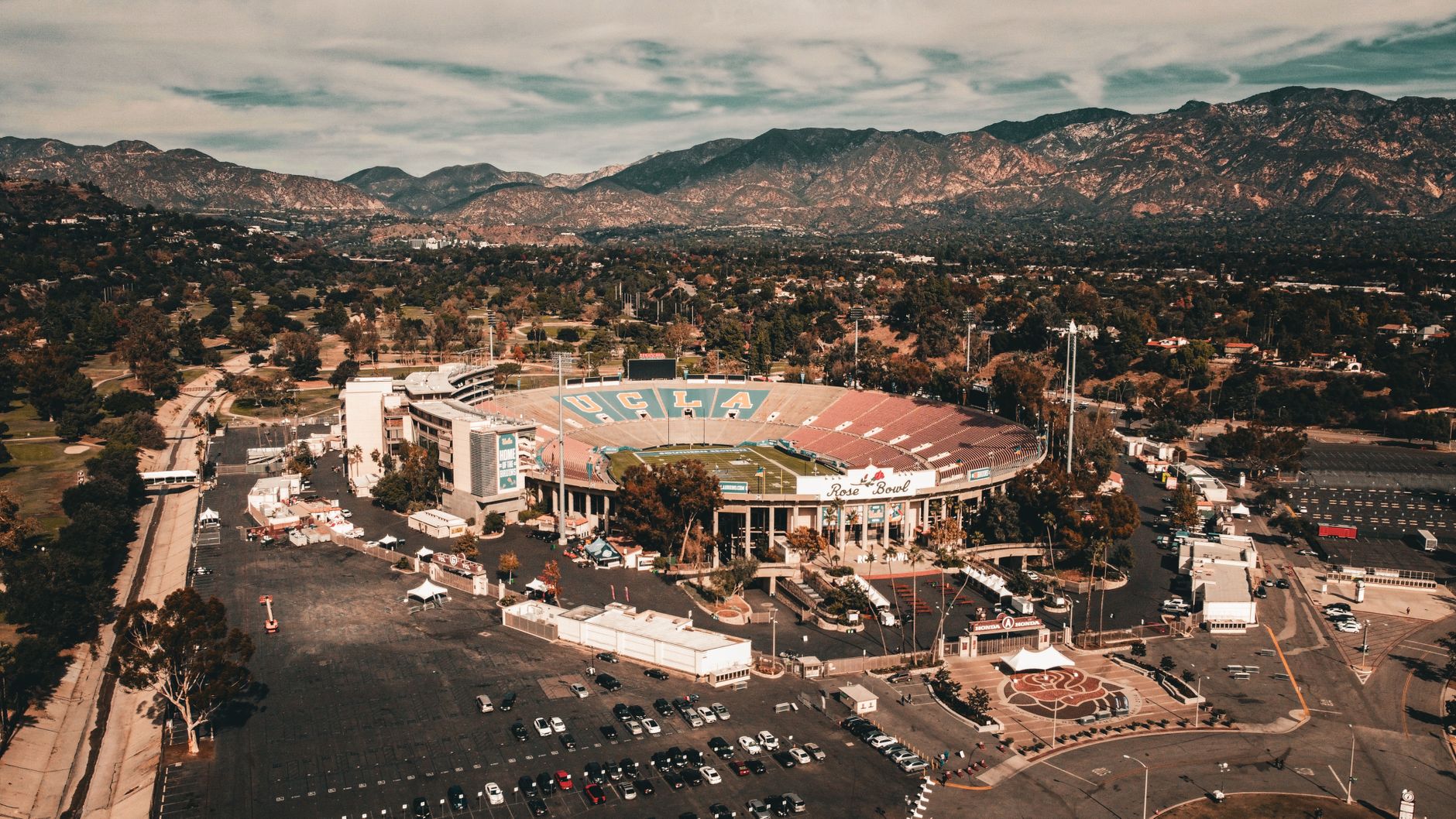
The Los Angeles setup also showed why venue identity matters. SoFi Stadium is a modern NFL venue in Inglewood, while the FIFA Fan Festival at the LA Memorial Coliseum in Exposition Park creates a separate public viewing hub. The host-city site states that Los Angeles will offer “Eight matches. 39 days of fan celebrations. One unforgettable summer in Los Angeles.” That sentence is promotional, but the numbers are operationally meaningful: eight stadium fixtures and 39 days of public activity create repeated demand spikes, not a single event weekend.
For readers who want to compare team narratives with market movement before match day, this is a good point to explore Football Compass.

Photo by RDNE Stock project on Pexels
Where It Held Up?
The approach held up when venue data, schedule timing, and tactical analysis were treated as separate layers before being combined. Los Angeles gave the clearest example: SoFi Stadium explains match-day flow, ESPN helps track fixtures, and Football Compass adds team-specific interpretation for fans following predictions and statistics.
Three areas were consistently useful. 1. Time-zone conversion: international audiences often underestimate how Pacific Time affects viewing, especially for Asian and European fans following the U.S. Men’s National Team opening match on June 12. 2. Public-event density: the LA Memorial Coliseum festival and Official Fan Zones can shift attention toward certain matches even when they are not the most balanced contests tactically. 3. Squad rotation pressure: the 48-team format may create more mismatches early, but it also increases the chance that managers protect key players once qualification math changes. These are not always visible in generic football world cup previews.
This is where Football Compass fits naturally. Its value is not merely saying which team is stronger; it is connecting match predictions with player stats, tactical shapes, and tournament context. For example, a high-pressing team playing in a late local slot after a short turnaround may be evaluated differently from the same team on full rest. Readers interested in tactical profiles can continue with [Internal Link: national team tactics and formation breakdowns].
Where It Fell Apart?
The method weakened whenever promotional material was mistaken for predictive evidence. Fan festivals, music lineups, and city branding explain demand and atmosphere, but they do not directly forecast expected goals, player availability, or tactical discipline. That distinction is critical for serious football world cup analysis.
Two weak points stood out. First, public enthusiasm can distort perception around host-nation matches. The U.S. Men’s National Team opening match in Los Angeles will attract significant attention, but attention is not the same as probability. Second, schedule pages can be technically correct while still incomplete for analysis until teams, referees, injuries, and confirmed lineups are known. ESPN’s schedule hub is useful for structure, but a pre-match model still needs late information. The U.S. Department of State travel site is also relevant for international visitors because documentation and travel timing can affect attendance decisions, though it does not provide football analysis.
There was one contrarian finding: Los Angeles may be easier to analyze for fan behavior than for match performance. Why? Because the city has clear fixed points: SoFi Stadium, LA Memorial Coliseum, Exposition Park, Official Fan Zones, and 39 days of celebrations. Team performance, by contrast, remains conditional until squad lists, injuries, and group-stage incentives are finalized. For a deeper planning layer, use [Internal Link: World Cup betting market timing guide].
To connect official schedule facts with independent match analysis, Football Compass can help reduce noise before major fixtures.
Photo by Nate Aguilar on Pexels
Would I Use It Again?
Yes, I would use this framework again for Football World Cup 2026, especially in host cities with multiple event layers like Los Angeles. It works best when official schedule data, venue logistics, tactical scouting, and player statistics are reviewed separately before forming any prediction.
The practical workflow is simple. 1. Start with confirmed FIFA and ESPN schedule data. 2. Add host-city information, especially venue, fan festival, transport, and match-day timing. 3. Review Football Compass for tactical notes, player form, and statistical previews. 4. Delay final judgment until confirmed lineups and market conditions are available. This sequence avoids a common analytical error: overvaluing atmosphere while undervaluing football-specific variables such as rest days, substitution depth, and defensive structure.
My recommendation is to treat Los Angeles as a case study for the wider 2026 football world cup. It combines eight matches, SoFi Stadium, a major Fan Festival, Official Fan Zones, and the U.S. Men’s National Team opening match into one dense planning environment. That makes it useful for fans, analysts, and regulated-market observers, but only if each signal is weighted correctly. For more applied comparisons, see [Internal Link: World Cup player stats and match prediction hub].

Photo by Vlad Vasnetsov on Pexels
Frequently Asked Questions
Q: What is the Football World Cup 2026?
A: The Football World Cup 2026 is the next men’s FIFA World Cup, hosted across the United States, Mexico, and Canada. It will feature 48 national teams, expanding from the previous 32-team format. The larger field changes match volume, qualification dynamics, and tactical planning across the tournament.
Q: How can I follow the 2026 World Cup schedule?
A: You can follow the 2026 World Cup schedule through FIFA, ESPN, host-city websites, and specialist analysis platforms such as Football Compass. ESPN is useful for fixture listings, while host-city sites provide venue and fan-event details. Football Compass adds tactical previews, player statistics, and match prediction context.
Q: What is different about Los Angeles at the 2026 World Cup?
A: Los Angeles will host eight FIFA World Cup matches and 39 days of fan celebrations. SoFi Stadium will stage matches, while the LA Memorial Coliseum at Exposition Park will host the FIFA Fan Festival. Official Fan Zones across Los Angeles County will also create public viewing and community events.
Q: Is Football Compass useful for World Cup betting analysis?
A: Football Compass is useful for readers who want structured football world cup analysis before comparing regulated betting markets. It covers match predictions, team tactics, player statistics, and tournament coverage. The strongest use case is combining Football Compass analysis with confirmed lineups, schedule timing, and venue context.
Q: What should I do if World Cup schedule information changes?
A: If schedule information changes, verify updates through FIFA, ESPN, and the relevant host-city website before acting on older information. Tournament details can shift due to broadcast windows, operational planning, or confirmed match allocations. Rechecking official sources close to match day is the most reliable workflow.
Q: How much does it cost to attend World Cup events in Los Angeles?
A: Match ticket costs depend on FIFA ticketing categories, demand, and availability, while some public fan events may have separate access rules. Los Angeles programming includes SoFi Stadium matches, the FIFA Fan Festival, and Official Fan Zones. Visitors should budget for tickets, transport, accommodation, food, and time between venues.
For daily insights on the football world cup, team tactics, player stats, and 2026 tournament coverage, visit Football Compass.