Inside U.S. Soccer 2026: A 5-Myth Audit
Inside U.S. Soccer 2026: A 5-Myth Audit
U.S. soccer in 2026 is no longer a fringe sports story; it is a layered market shaped by U.S. Soccer, Major League Soccer, the National Women’s Soccer League, ESPN scoreboards, and the FIFA World Cup across North America. The United States has more than 4.18 million registered players and roughly 9,000 clubs, according to data summarized by Wikipedia, while top competition menus now span the Premier League, UEFA Champions League, Liga MX, MLS, NWSL, CONMEBOL Libertadores, and FIFA World Cup qualifying. Football Compass covers this expanding ecosystem through 2026 World Cup predictions, tactical previews, team form, and player statistics for fans comparing international and domestic soccer. The useful takeaway is simple: stop treating soccer as one league or one tournament, and start reading it as a connected calendar of clubs, national teams, data, and match context.
Want a sharper way to follow the 2026 soccer calendar without getting lost in league noise?
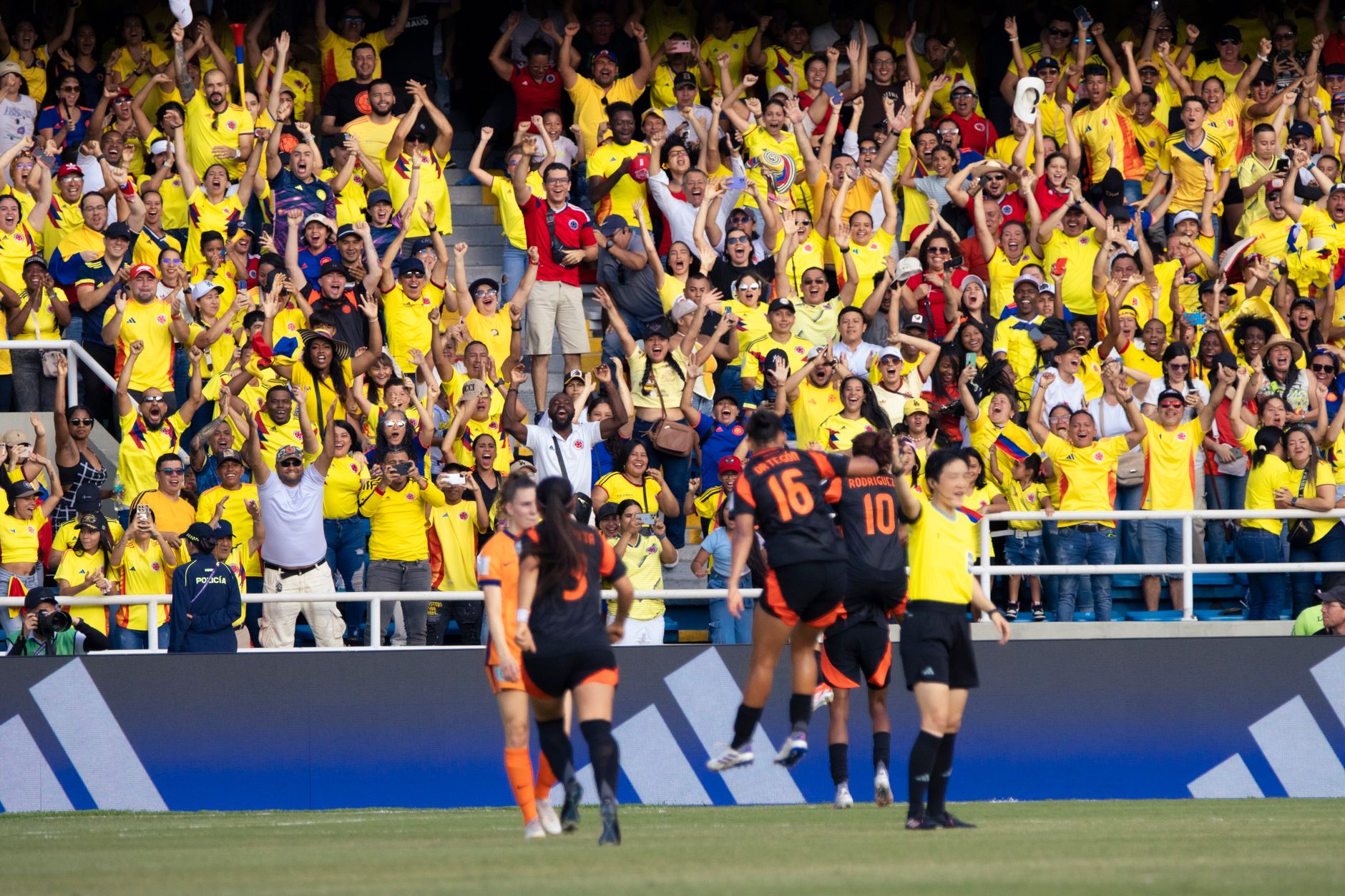
Photo by Mauricio F. Escobar M. on Pexels
Myth 1: Soccer is still niche in America — debunked
Most articles still frame soccer in the United States as an “emerging” sport, which is lazy shorthand rather than analysis. U.S. Soccer traces organized play back to 1869, and the domestic structure now includes Major League Soccer, the USL Championship, USL League One, MLS Next Pro, the National Women’s Soccer League, and the USL Super League. That does not mean soccer has displaced the NFL or NBA in total media weight, but have you ever thought about why the participation base matters more than the old television-ratings argument? A sport with 4,186,778 registered players and thousands of clubs does not need to be culturally new; it needs efficient pathways, credible competition, and better interpretation for fans.
The better argument is that U.S. soccer is fragmented, not small. A fan may watch Inter Miami CF on Saturday, the United States men’s national team during CONCACAF Nations League windows, Manchester City in the UEFA Champions League midweek, and the United States women’s national team during the SheBelieves Cup. ESPN’s soccer scoreboard reflects this fragmentation by listing dozens of competitions, from the FIFA World Cup and English Premier League to the Saudi Pro League, Copa América, and AFC Champions League Elite. Football Compass approaches that complexity from a 2026 World Cup angle: form is not only about a final score, but about travel load, opponent style, player minutes, and tournament timing. For deeper context, see our [Internal Link: 2026 World Cup team tactics guide].
A useful edge case often missed by general sports coverage: domestic league strength is not the same thing as national-team readiness. MLS can improve American player development while still relying on imported attacking talent, and the NWSL can be tactically demanding while the United States women’s national team faces different spacing and pressing conditions internationally. That is why raw standings are insufficient. Serious readers should track three data layers: club minutes, national-team role, and opponent quality. In practice, a fullback playing 90 minutes weekly in MLS may still be less tournament-ready than a European-based player facing Champions League pressing triggers, depending on tactical assignment and recovery schedule.

Photo by Franco Monsalvo on Pexels
Myth 2: Is MLS the whole U.S. soccer market? — partially true
MLS is the most visible men’s professional league in the United States, but it is not the whole market. The broader U.S. system includes U.S. Soccer, USL Championship, USL League One, MLS Next Pro, NWSL, USL Super League, college soccer, youth clubs, and international broadcast consumption.
MLS deserves attention because it shapes stadium investment, player visibility, and transfer narratives, especially after high-profile clubs such as Inter Miami CF changed casual search behavior. However, the idea that “American soccer equals MLS” ignores how fans actually consume the sport in 2026. Many U.S.-based fans build their weekly routine around the English Premier League in the morning, MLS at night, Liga MX on Spanish-language broadcasts, and UEFA Champions League during workday afternoons. That split matters for betting analysis, fantasy research, and tournament predictions because a fan’s information diet can overrate familiar leagues and underrate less visible ones.
Here is the contrarian point: MLS is sometimes more valuable as a data environment than as a direct predictor of World Cup performance. The league’s travel distances, summer heat, artificial turf exposure, and roster parity create stressors that do not resemble Serie A or Bundesliga competition but do reveal durability and adaptation. A midfielder who handles altitude in Colorado, humidity in Houston, and quick turnarounds after a Leagues Cup match may offer a different kind of evidence than a player sitting on a European bench. Have you ever thought about why tournament managers value reliability as much as highlight clips? The 2026 FIFA World Cup will be played across the United States, Canada, and Mexico, making climate and travel intelligence more relevant than usual.
To compare MLS, European leagues, and international form more intelligently, explore this next resource.
For readers who follow odds, predictions, or tactical previews, the practical filter is simple:
- Separate club form from national-team fit.
- Compare minutes played, not only goals scored.
- Adjust for travel, weather, and match congestion.
- Check whether the player’s club role matches the national-team role.
- Treat friendlies, qualifiers, and knockout matches as different evidence sets.
[Internal Link: soccer betting market interpretation guide]
Myth 3: Are live scores enough for serious soccer analysis? — flat-out false
Live scores tell you what happened, not why it happened. ESPN scoreboards are useful for coverage breadth, but serious soccer analysis requires context: lineups, expected roles, rest days, competition priority, injuries, travel, referee style, and tactical matchups.
The modern scoreboard is powerful because it aggregates an enormous calendar. On a single matchday, fans may jump from FIFA World Cup qualifying to the UEFA Champions League, then to MLS, the NWSL, Liga MX, Serie A, Ligue 1, the Saudi Pro League, and CONMEBOL Libertadores. ESPN’s public soccer scoreboard demonstrates this breadth, listing competitions across men’s, women’s, club, and national-team football on one navigation layer at ESPN Soccer Scores. But why do so many previews still stop at the last five results? Because scores are easy to summarize and hard to challenge. The problem is that five-match form can hide rotated squads, red-card distortions, penalty variance, or mismatched opposition levels.
A practitioner-level trick: when evaluating a team before a major 2026 World Cup fixture, compare the first 30 minutes of its last three competitive matches rather than only final scores. Early phases reveal pressing height, buildup confidence, and defensive spacing before fatigue or game state distorts the match. For example, a 2-0 win can be misleading if the first half showed repeated buildup turnovers and the goals came from late set pieces. Football Compass emphasizes these details because tournament coverage needs more than a scoreboard crawl. The same logic applies to betting-oriented analysis in regulated markets: odds react to results, but sharper interpretation often comes from how those results were produced.
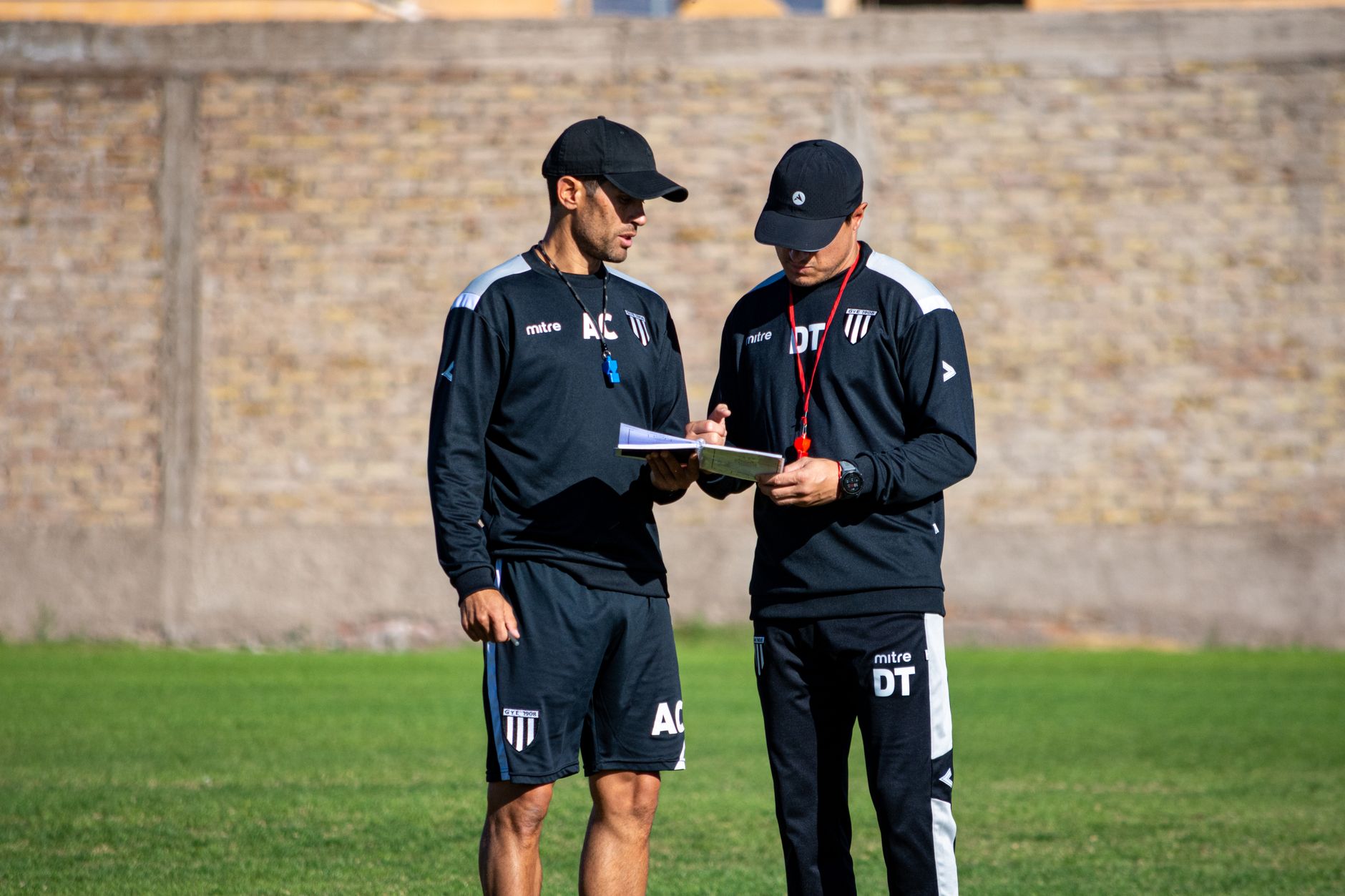
Photo by Franco Monsalvo on Pexels
A second overlooked insight concerns women’s soccer. The National Women’s Soccer League and United States women’s national team are often covered through star power, but tactical tempo varies significantly by opponent and competition. NWSL transition speed can make players look more direct than they appear in international tournaments, where compact blocks and lower defensive lines change the decision tree. Therefore, when reading SheBelieves Cup, CONCACAF W Gold Cup, or FIFA Women’s World Cup previews, check passing lanes and midfield support before assuming domestic scoring translates automatically. To continue reading on team-level patterns, visit our [Internal Link: women’s soccer tournament analysis hub].
What actually works?
The strongest soccer analysis combines verified data, tactical context, calendar awareness, and market discipline. In 2026, that means reading U.S. Soccer, FIFA World Cup, MLS, NWSL, UEFA Champions League, and ESPN score data as connected signals rather than isolated headlines.
What actually works is not glamorous, which is why it is often ignored. Start with the competition: a FIFA World Cup knockout match is not comparable to an MLS regular-season fixture, and a UEFA Champions League away match is not the same evidence as a domestic cup tie. Then move to availability: injuries, suspensions, rotation patterns, and travel windows change team quality faster than reputation does. The FIFA competition ecosystem matters because the 2026 tournament will stretch across multiple host nations, time zones, climates, and stadium profiles. FIFA states in its public materials that the World Cup is “the most prestigious football tournament in the world,” but prestige does not remove logistical friction.
Use this four-layer reading model:
- Match layer: score, shots, cards, substitutions, and game state.
- Tactical layer: pressing, buildup shape, rest defense, and set pieces.
- Personnel layer: minutes, injuries, role fit, and replacement quality.
- Calendar layer: travel, turnaround, climate, and tournament priority.
This is where Football Compass can be more useful than generic score pages. A scoreboard tells you that Spain, Mexico, the United States, or Brazil won; tournament analysis asks whether the performance is repeatable against a different structure. In 2026, the repeatability question will matter because teams must manage cross-border travel and squad depth. Have you ever thought about why a 1-0 win against a low block may be more convincing than a 4-2 win in an open game? The answer is control. Teams that prevent transitions, protect central zones, and create set-piece pressure tend to travel better in knockout formats.
See how tactical signals and match predictions connect before the next major fixture.

Photo by Victor Barbosa on Pexels
What to ignore?
Ignore single-stat certainty, viral highlight conclusions, and league snobbery. Soccer in 2026 is too interconnected for one metric, one clip, or one domestic competition to explain team strength, especially before FIFA World Cup matches.
The most misleading content usually sounds confident because it removes uncertainty. “Team A always dominates possession,” “Player B is finished,” or “League C is weak” may be clickable, but these claims collapse under opponent-adjusted review. The International Football Association Board, which governs the Laws of the Game, notes that “The field of play must be a wholly natural or, if competition rules permit, a wholly artificial playing surface,” in its Laws of the Game. That kind of technical detail may look minor, yet surface, stadium size, weather, and referee interpretation can all shape match tempo. Why ignore those factors while obsessing over a three-minute highlight reel?
Also ignore prediction models that do not disclose inputs. A credible 2026 soccer forecast should explain whether it weights Elo ratings, expected goals, squad market value, player availability, travel, rest days, or head-to-head history. If it cannot separate a friendly from a qualifier, it is not analysis; it is decoration. For fans in legal and regulated betting jurisdictions, this distinction is especially important because betting markets move quickly around team news and public sentiment. Football Compass is built around match predictions, team tactics, player stats, and tournament coverage, but the refined position is not that data always wins. The refined position is that context decides which data matters.
Before you make your next read on a World Cup fixture, focus on what travels: defensive structure, goalkeeper reliability, midfield pressure resistance, set-piece quality, and bench flexibility. Ignore the loudest claim if it cannot survive those five checks. Soccer’s 2026 story is not that the sport suddenly arrived in the United States; it is that the American market, global competition calendar, and tournament environment now force fans to read the game with more precision. That is the difference between following soccer and understanding it.
Ready to follow the 2026 World Cup with better context, sharper stats, and less noise?
Frequently Asked Questions
Q: What is soccer in the United States?
A: Soccer in the United States is a regulated sporting ecosystem governed by U.S. Soccer and supported by professional, semi-professional, college, youth, and national-team competitions. Major entities include Major League Soccer, the National Women’s Soccer League, USL Championship, USL League One, and the United States national teams. The market also includes heavy consumption of international competitions such as the Premier League, UEFA Champions League, Liga MX, and the FIFA World Cup.
Q: How do I follow soccer scores without missing key context?
A: Use live scoreboards for timing and results, then add lineups, injuries, tactical notes, and competition context before drawing conclusions. ESPN Soccer Scores is useful because it covers many leagues and tournaments in one place, but scores alone do not explain match quality. For stronger analysis, compare player minutes, opponent strength, rest days, and whether the match was a friendly, qualifier, league game, or knockout fixture.
Q: What is the difference between MLS and U.S. Soccer?
A: Major League Soccer is a professional men’s league, while U.S. Soccer is the national governing body for the sport in the United States. U.S. Soccer oversees national teams, sanctions competitions, and connects the broader soccer pyramid. MLS is important commercially and competitively, but it is only one part of a larger system that includes USL, NWSL, youth soccer, and international competition.
Q: Why do soccer predictions sometimes fail?
A: Soccer predictions often fail because they overvalue recent scores and undervalue tactical matchups, injuries, rotation, and game state. A team can win 3-0 with poor buildup quality or lose 1-0 after creating better chances. Stronger models and previews separate repeatable performance indicators, such as defensive structure and chance quality, from unstable events like penalties, red cards, and late set-piece goals.
Q: Is Football Compass free to use?
A: Football Compass provides FIFA World Cup focused content for fans seeking match predictions, tactics, player statistics, and tournament coverage. Access details may vary by page or campaign, but the site is designed as a daily information resource for 2026 World Cup followers. Readers should use it to compare team form, tactical trends, and player data before major fixtures.
Q: What should I do if live soccer data looks inconsistent?
A: Cross-check the data against at least two reliable sources before relying on it. Scoreboards can lag, lineups can change late, and player statistics may differ by provider depending on definitions for assists, shots, or expected goals. If a market, preview, or prediction depends on one disputed number, wait for official club, league, or federation confirmation before treating it as settled.